

Background
Brandon, a 72-year-old man, contacted me, sounding unsure and a little fragile. He completed his Intake Form only on the morning of our session. That meant I had no opportunity to review his background beforehand. When I later read through his answers, they confirmed what I sensed immediately: Brandon has spent his entire life managing emotional pain by staying firmly in his head and avoiding the deeper feelings underneath.
His stated challenge was “setting up an income-generating activity,” which he rated as a mild 3 out of 10. But within thirty minutes, it became clear that his real concerns ran much deeper. Fear, insecurity, and suppressed emotion were woven into almost every part of his life.
Brandon has endured decades of emotional hardship — a long marriage to an alcoholic partner, a painful divorce, responsibility for a daughter with support needs, and several serious health crises that drastically reduced his independence. He copes by “keeping the lid on,” as he put it—shutting down his feelings to manage trauma.
Now, financially stressed and unable to find work at 72, he arrived with a heavy load of fear, anger, and a diminished sense of self. Yet he could only afford a single session.
And this is where it became essential to manage expectations: a lifetime of emotional suppression cannot be resolved in one appointment.
A single session can offer clarity, calm, or a shift — but not completion.
Early on he asked, with genuine hope, “So when I leave here today, I’ll have total confidence, no fear and be free of anger, right?”
My heart ached for him. The healing he needed required time, safety, and more than one meeting.
The Work
Much of the first part of our session naturally became space for Brandon to unload years of unspoken pain. He needed to tell his story to someone who would not judge him. After 45 minutes of talking, I gently redirected him toward one specific event so we could begin meaningful EFT work.
Because Brandon’s mind moves extremely quickly (a habit formed to avoid painful feelings), it took several attempts for him to stay with a single memory long enough to notice his body’s responses. Once he did, we began tapping on the pressure in his forehead and the twist in his gut.
Interestingly, after a few rounds, he reported no emotional charge left in that memory. But this did not mean the deeper issue was resolved. It meant we had cleared one “table leg,” not the whole “table top” . I explained this metaphor to him. Decades of trauma sit on dozens of supporting memories. We had only touched one.
We then worked with a second event, “The Day I Lost My Independence,” the day he was told he could no longer drive. The charge reduced noticeably, and again, he reported relief.
Was this enough?
But neither of these moments meant that Brandon’s lifelong patterns were resolved. It meant the door had opened — nothing more.
Near the end of the session, as we explored choices around dealing with his difficult ex-wife, something lit up in him for the first time. The idea that he could have “a future that’s different from his past” was brand new, almost revolutionary. His face showed relief… he breathed more deeply and his nervous system relaxed.
However, within seconds of this relief, his mind returned to stories of more pain. That was a clear sign that many unresolved pieces remained. This is normal, and it reinforced what I knew:
For meaningful, lasting change, many sessions would be required. One session can begin the journey, but it cannot complete it.
I introduced the Personal Peace Procedure so he at least had a way to continue working between sessions, given his financial constraints.
Core Issues
Only near the end of the session did a major core issue reveal itself: Brandon is a lifelong “rescuer.” He takes care of everyone else before himself — his ex-wife, his daughter, his family, even strangers at times. This pattern is deeply rooted in survival, emotional conditioning, and identity.
In this one session, there was no time to explore this in any depth. We had only reached the doorway of a very significant healing theme. To shift this pattern (putting others first at the expense of oneself) requires patient, sustained work over time, peeling back the events that shaped it and gently building a new inner permission to matter.
His presenting issues of anger, fear of the future, low confidence, and financial distress sit on top of many unresolved experiences. Every one of those experiences would need attention.
That is the nature of trauma: it accumulates in layers.
This is why I explain to clients that a single session can bring relief, but the real healing happens across multiple sessions. Brandon, especially, would need steady, ongoing work to truly rebuild his sense of self.
My Insights
Reflecting on Brandon’s session reminded me how easy it is for highly verbal, traumatised clients to fill the space with stories. Talking is familiar; feeling is not. And while being heard is valuable, talking alone doesn’t resolve anything. As practitioners, our role is to guide clients gently but firmly into the work that actually creates change.
Brandon also reminded me how much bravery it takes to seek help. He reminded me of my own father. Their generation was taught never to ask for support, not to admit struggle, and certainly never to explore feelings. For him to come to a stranger, share his life story, and engage in emotional work for the first time at 72 was extraordinary.
He walked into the session with decades of pain held tightly inside him. One session gave him relief, hope, and a glimpse of possibility. But the real transformation he longs for would require time, consistency, and multiple sessions.
Writing this case study reinforced what I know deeply as a practitioner:
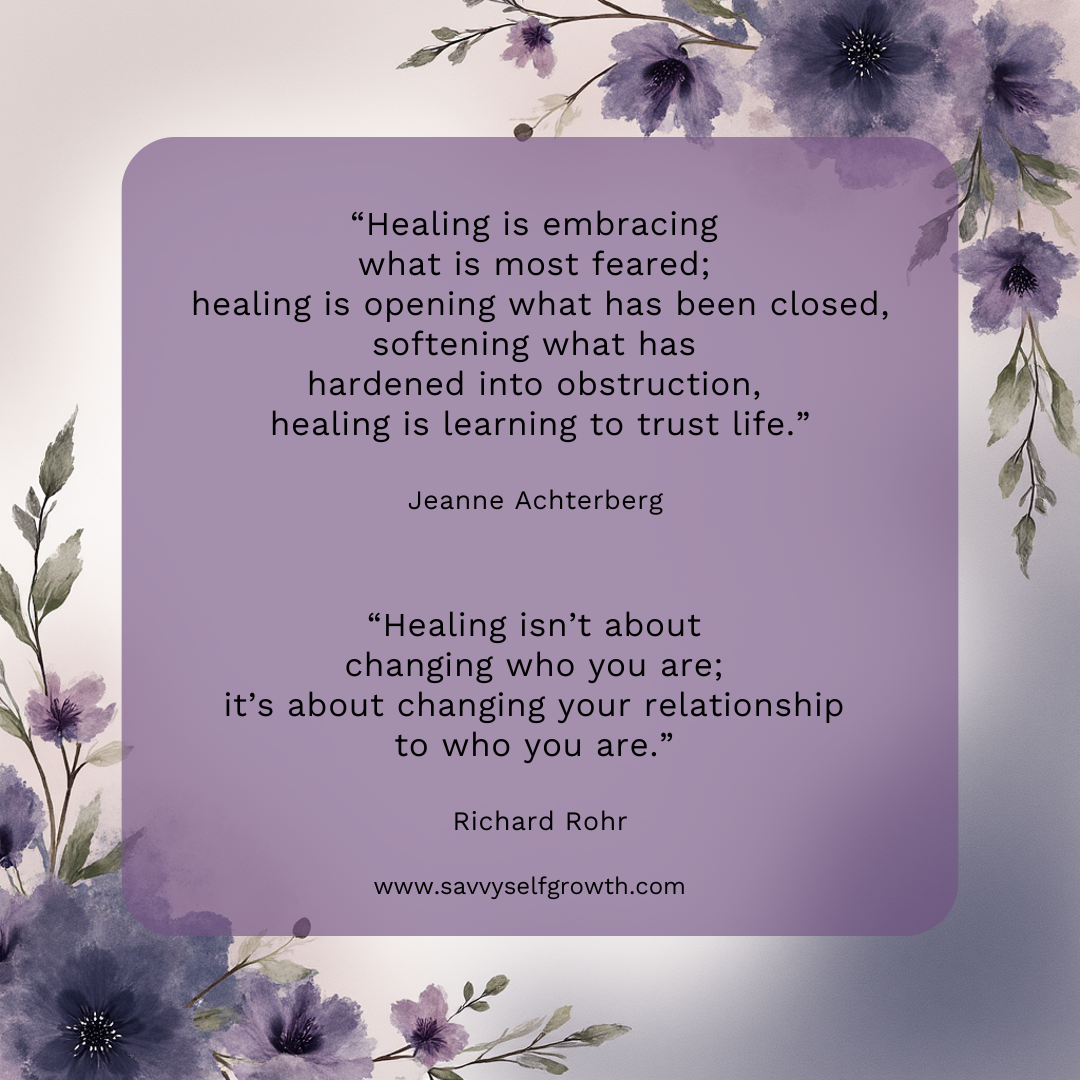
our clients are incredibly brave, and healing is always possible — but it unfolds in layers, not in a single hour.